Physical activity, whether it’s structured exercise or daily tasks, requires energy. The macronutrients – carbohydrates, proteins, and fats – play distinct roles in providing and utilising this energy.
Carbohydrates and Exercise
Carbohydrates are the primary energy source for high-intensity exercise. The body stores carbohydrates as glycogen in the liver and muscles, which can be rapidly converted to glucose for energy. Before high-intensity workouts, a meal rich in complex carbohydrates can ensure adequate glycogen stores. Post-exercise, replenishing glycogen is crucial, and a combination of carbohydrates and protein can aid in recovery.
Protein’s Role in Recovery and Repair
Adequate protein intake supports the repair and growth of muscle tissue. After exercise, consuming protein can help repair muscle microtears, leading to muscle growth and improved strength. The timing of protein intake, along with the quality of protein, is key for optimal recovery.
Fats for Endurance
For prolonged, moderate-intensity exercise, fats become a significant energy source. While high-fat diets are not generally recommended for athletes, ensuring a healthy intake of unsaturated fats is important for overall health and energy provision during longer exercise sessions.
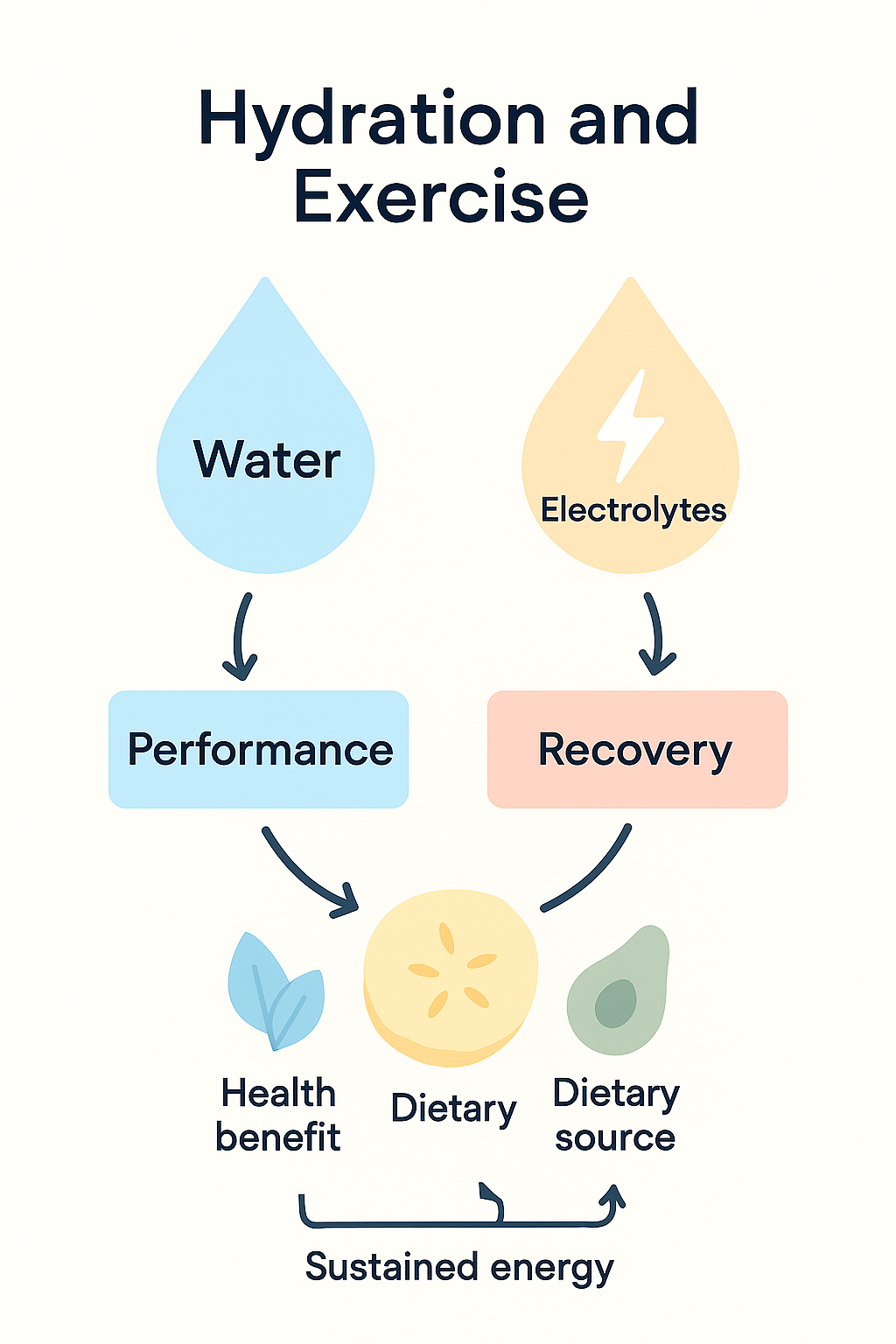
Hydration and Exercise
Water is essential for maintaining blood volume, regulating body temperature, and allowing muscle contractions to occur. Dehydration can lead to a significant decline in performance and can be dangerous. It is imperative to stay well-hydrated before, during, and after physical activity. Electrolytes, primarily sodium and potassium, are lost through sweat and must be replaced to preserve electrolyte balance, especially during prolonged or intense exercise sessions.