
Ethical principles guide the conduct of mental health support workers and ensure the provision of care that respects the dignity and rights of individuals. These principles include:
– Autonomy: Respecting the individual’s right to make their own decisions.
– Beneficence: Acting in the best interest of the service user.
– Non-maleficence: Avoiding harm to the service user.
– Justice: Ensuring fairness and equality in the provision of support.
In your practice, balancing these ethical considerations with legal obligations is vital. For instance, respecting autonomy might sometimes conflict with the need to act in someone’s best interest under the Mental Health Act.

Rights of Individuals with Mental Health Conditions
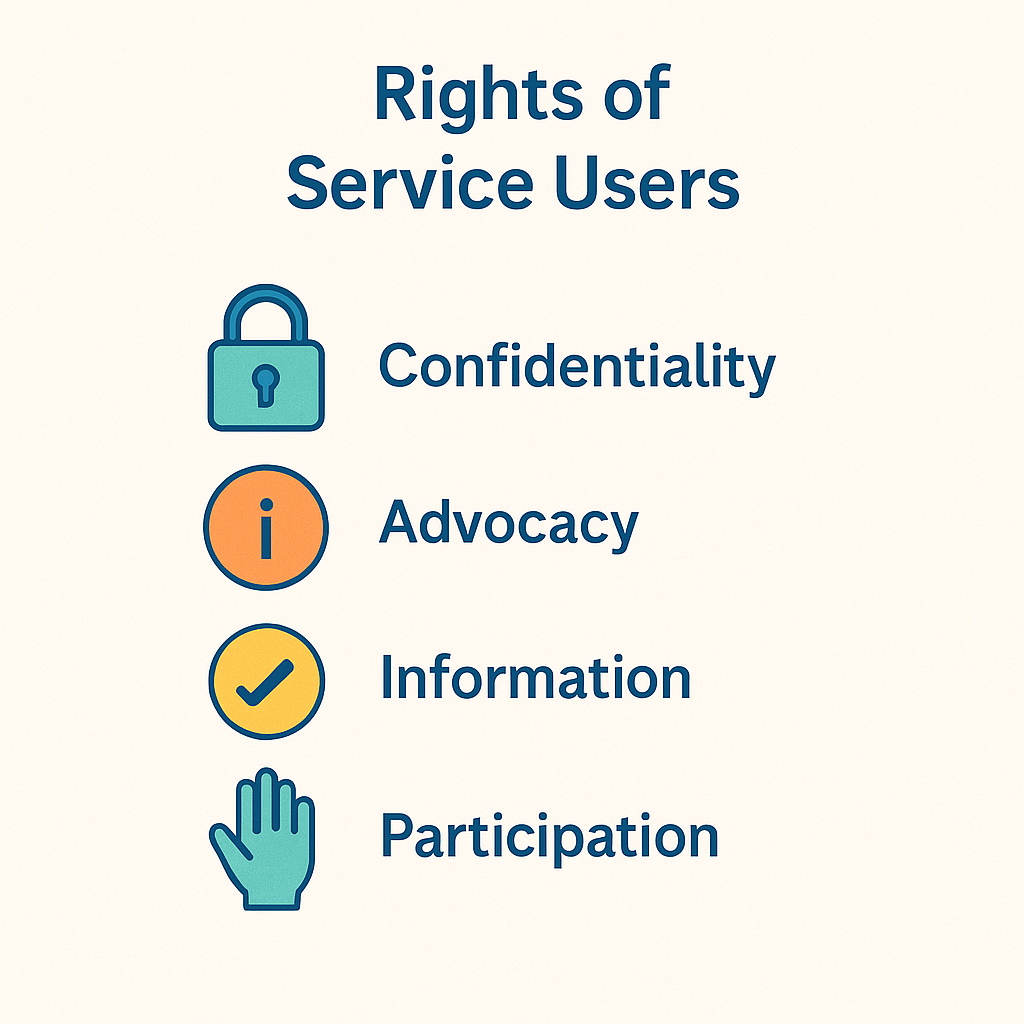
Service users have rights that must be upheld by support workers, including:
– The right to confidentiality in regards to their mental health and personal information.
– The right to be involved in care planning and to be informed about treatment options.
– The right to advocacy services to help express their views and concerns.
– The right to complain about their treatment or care.
Safeguarding Responsibilities
Safeguarding involves protecting vulnerable adults from abuse or neglect. As a support worker, you play a critical role in observing signs of abuse and following the appropriate procedures to report concerns. The Care Act 2014 outlines the duty of care professionals to report any safeguarding concerns to the local authority.
Confidentiality and Information Sharing
Confidentiality is a cornerstone of support work. Service users need to trust that their information will be kept private. There are, however, circumstances under which confidentiality may need to be breached, such as when there is a risk of harm to the individual or others. Understanding the Data Protection Act 2018 and the General Data Protection Regulation (GDPR) is critical in managing personal information lawfully.
The Role of Advocacy and Empowerment
Advocacy is crucial in ensuring that the voices of those with mental health conditions are heard, especially in situations where they may struggle to communicate their needs and preferences. Support workers should encourage service users to express their own views and support them in accessing advocacy services when needed.
Empowerment is about enabling individuals to take control of their care and support. This involves promoting service users’ independence and participation in decision-making processes related to their treatment and support.